Film & Animation
Autos & Vehicles
Music
Pets & Animals
Sports
Gaming
People & Blogs
Comedy
Entertainment
News & Politics
Howto & Style
Science & Technology
الخلاف السعودي الأمريكي حول الرد على إيران
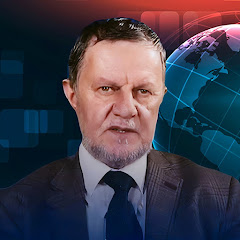
الدكتور عمر عبد الستار محمود
لم تُصدم دول الخليج من الهجوم الإيراني، لكن الصدمة الحقيقية جاءت عندما أدركت العواصم الخليجية أن واشنطن بدت وكأنها تتوقع من الخليج تحمّل موجات الصواريخ والطائرات المسيّرة بصمت، بينما ظل ترامب متمسكًا بحماية المفاوضات النووية مع طهران بأي ثمن.
---
🔥 تابعوا تحليلات الدكتور عمر عبد الستار الحصرية:
• شاهد الحلقة السابقة : https://www.youtube.com/watch?v=WEbYSLctbhs&list=PLgA99v83AxMtokL9VjBa-Y9JyRDsLvOEJ&index=2
• جميع تحليلات الدكتور عمر تجدونها هنا: https://www.youtube.com/playlist?list=PLgA99v83AxMtokL9VjBa-Y9JyRDsLvOEJ
🔔
• لا تنسَ الاشتراك في القناة وتفعيل الجرس لتصلك أحدث تحليلات الدكتور عمر عبد الستار.
🌐 وسائل التواصل الاجتماعي:
➤ https://twitter.com/omarabdulsatar
➤ https://www.facebook.com/omar.abdulsattar1
📰
• الخلاف السعودي الأمريكي حول الرد على إيران •
بعد تواصل مع مسؤول سعودي رفيع المستوى حول الجدل المثار بشأن تقرير NBC عن “مشروع الحرية”، تتضح صورة مختلفة تمامًا عمّا تم تقديمه في الإعلام الأمريكي. دول مجلس التعاون الخليجي لم تُفاجأ بالمشروع، بل كانت على علم مسبق به، ووافقت على فتح الأجواء وتجهيز المرافق باعتباره عملية أمنية إنسانية محدودة تهدف إلى حماية عشرات الآلاف من البحارة المحاصرين قرب مضيق هرمز وإعادة تأمين الملاحة الدولية. المشكلة الحقيقية لم تكن في العملية نفسها، بل في ما اكتشفته الرياض وأبو ظبي والكويت لاحقًا: أن واشنطن، رغم طلبها الدعم الكامل وكشف البنية التحتية الحيوية الخليجية للخطر، لم تكن تنوي الرد إذا تعرضت دول الخليج لهجمات إيرانية مباشرة. الصدمة جاءت بعد استهداف البنية التحتية الإماراتية في الفجيرة عبر موجات من الصواريخ والطائرات المسيّرة، بينما كان الرد الأمريكي أقرب إلى التهدئة وتجنب التصعيد حفاظًا على فرص الاتفاق النووي مع طهران. بالنسبة لدول الخليج، لم يعد الأمر يبدو كاستراتيجية ردع، بل كمقامرة سياسية تعتبر أمن الخليج وأمن الطاقة العالمي أضرارًا جانبية يمكن تحملها من أجل إنقاذ مفاوضات متعثرة. هذا ما دفع السعوديين والكويتيين إلى وقف المشروع، بعدما أدركوا أن المطلوب منهم فعليًا هو تحمل الضربات بينما تستمر واشنطن في إدارة لعبة تفاوض طويلة مع إيران. ومن وجهة نظر خليجية، المشكلة أعمق من مجرد اتفاق نووي؛ فحتى لو تم تجميد التخصيب أو توقيع عشرات الاتفاقيات، فإن بقاء أجهزة الطرد المركزي والحرس الثوري وشبكات الوكلاء يعني أن الأزمة ستعود عاجلًا أم آجلًا، خاصة عندما ينشغل العالم بأزمات أخرى كما حدث خلال سنوات الجائحة التي شهدت توسعًا في مخزون إيران من اليورانيوم عالي التخصيب بعيدًا عن الأضواء. لذلك، ما حدث لم يكن مجرد خلاف سياسي عابر، بل لحظة كشفت تحولًا خطيرًا في مفهوم الردع الأمريكي داخل الخليج، وأثار تساؤلات عميقة حول مدى استعداد واشنطن لحماية حلفائها عندما تتعارض تلك الحماية مع حسابات التفاوض مع طهران.
📰
• The Saudi-American Dispute Over Responding to Iran •
Following communication with a senior Saudi official regarding the controversy surrounding NBC’s report on “Project Freedom,” a very different picture emerges from the one presented in the American media. The Gulf Cooperation Council states were not caught off guard by the project. On the contrary, they had prior knowledge of it and agreed to open their airspace and prepare facilities for what was described as a limited humanitarian security operation aimed at protecting tens of thousands of sailors stranded near the Strait of Hormuz and restoring the security of international shipping lanes.
The real issue was not the operation itself, but what Riyadh, Abu Dhabi, and Kuwait later discovered: despite Washington requesting full support and exposing critical Gulf infrastructure to potential danger, the United States had no intention of retaliating if Gulf states came under direct Iranian attack.
The shock came after Emirati infrastructure in Fujairah was targeted by waves of missiles and drones, while the American response leaned more toward de-escalation and avoiding confrontation in order to preserve the chances of reaching a nuclear agreement with Tehran. From the Gulf states’ perspective, this no longer appeared to be a strategy of deterrence, but rather a political gamble in which Gulf security and global energy security were treated as acceptable collateral damage for the sake of rescuing stalled negotiations.
This realization prompted the Saudis and Kuwaitis to halt the project after concluding that what was effectively being asked of them was to absorb the attacks while Washington continued managing a prolonged negotiation game with Iran.
From a Gulf perspective, the problem goes beyond the nuclear agreement itself. Even if uranium enrichment were frozen or dozens of agreements signed, the continued existence of centrifuges, the Revolutionary Guard, and proxy networks means the crisis would inevitably return sooner or later, especially when the world becomes distracted by other crises, as happened during the pandemic years when Iran significantly expanded its stockpile of highly enriched uranium away from the spotlight.
What happened raised profound questions about Washington’s willingness to protect its allies when that protection conflicts with its negotiating calculations with Tehran.
#عدسات_سياسية #أخبار #سياسة #تحليلات_سياسية #إيران #ترامب #السعودية
---
🔥 تابعوا تحليلات الدكتور عمر عبد الستار الحصرية:
• شاهد الحلقة السابقة : https://www.youtube.com/watch?v=WEbYSLctbhs&list=PLgA99v83AxMtokL9VjBa-Y9JyRDsLvOEJ&index=2
• جميع تحليلات الدكتور عمر تجدونها هنا: https://www.youtube.com/playlist?list=PLgA99v83AxMtokL9VjBa-Y9JyRDsLvOEJ
🔔
• لا تنسَ الاشتراك في القناة وتفعيل الجرس لتصلك أحدث تحليلات الدكتور عمر عبد الستار.
🌐 وسائل التواصل الاجتماعي:
➤ https://twitter.com/omarabdulsatar
➤ https://www.facebook.com/omar.abdulsattar1
📰
• الخلاف السعودي الأمريكي حول الرد على إيران •
بعد تواصل مع مسؤول سعودي رفيع المستوى حول الجدل المثار بشأن تقرير NBC عن “مشروع الحرية”، تتضح صورة مختلفة تمامًا عمّا تم تقديمه في الإعلام الأمريكي. دول مجلس التعاون الخليجي لم تُفاجأ بالمشروع، بل كانت على علم مسبق به، ووافقت على فتح الأجواء وتجهيز المرافق باعتباره عملية أمنية إنسانية محدودة تهدف إلى حماية عشرات الآلاف من البحارة المحاصرين قرب مضيق هرمز وإعادة تأمين الملاحة الدولية. المشكلة الحقيقية لم تكن في العملية نفسها، بل في ما اكتشفته الرياض وأبو ظبي والكويت لاحقًا: أن واشنطن، رغم طلبها الدعم الكامل وكشف البنية التحتية الحيوية الخليجية للخطر، لم تكن تنوي الرد إذا تعرضت دول الخليج لهجمات إيرانية مباشرة. الصدمة جاءت بعد استهداف البنية التحتية الإماراتية في الفجيرة عبر موجات من الصواريخ والطائرات المسيّرة، بينما كان الرد الأمريكي أقرب إلى التهدئة وتجنب التصعيد حفاظًا على فرص الاتفاق النووي مع طهران. بالنسبة لدول الخليج، لم يعد الأمر يبدو كاستراتيجية ردع، بل كمقامرة سياسية تعتبر أمن الخليج وأمن الطاقة العالمي أضرارًا جانبية يمكن تحملها من أجل إنقاذ مفاوضات متعثرة. هذا ما دفع السعوديين والكويتيين إلى وقف المشروع، بعدما أدركوا أن المطلوب منهم فعليًا هو تحمل الضربات بينما تستمر واشنطن في إدارة لعبة تفاوض طويلة مع إيران. ومن وجهة نظر خليجية، المشكلة أعمق من مجرد اتفاق نووي؛ فحتى لو تم تجميد التخصيب أو توقيع عشرات الاتفاقيات، فإن بقاء أجهزة الطرد المركزي والحرس الثوري وشبكات الوكلاء يعني أن الأزمة ستعود عاجلًا أم آجلًا، خاصة عندما ينشغل العالم بأزمات أخرى كما حدث خلال سنوات الجائحة التي شهدت توسعًا في مخزون إيران من اليورانيوم عالي التخصيب بعيدًا عن الأضواء. لذلك، ما حدث لم يكن مجرد خلاف سياسي عابر، بل لحظة كشفت تحولًا خطيرًا في مفهوم الردع الأمريكي داخل الخليج، وأثار تساؤلات عميقة حول مدى استعداد واشنطن لحماية حلفائها عندما تتعارض تلك الحماية مع حسابات التفاوض مع طهران.
📰
• The Saudi-American Dispute Over Responding to Iran •
Following communication with a senior Saudi official regarding the controversy surrounding NBC’s report on “Project Freedom,” a very different picture emerges from the one presented in the American media. The Gulf Cooperation Council states were not caught off guard by the project. On the contrary, they had prior knowledge of it and agreed to open their airspace and prepare facilities for what was described as a limited humanitarian security operation aimed at protecting tens of thousands of sailors stranded near the Strait of Hormuz and restoring the security of international shipping lanes.
The real issue was not the operation itself, but what Riyadh, Abu Dhabi, and Kuwait later discovered: despite Washington requesting full support and exposing critical Gulf infrastructure to potential danger, the United States had no intention of retaliating if Gulf states came under direct Iranian attack.
The shock came after Emirati infrastructure in Fujairah was targeted by waves of missiles and drones, while the American response leaned more toward de-escalation and avoiding confrontation in order to preserve the chances of reaching a nuclear agreement with Tehran. From the Gulf states’ perspective, this no longer appeared to be a strategy of deterrence, but rather a political gamble in which Gulf security and global energy security were treated as acceptable collateral damage for the sake of rescuing stalled negotiations.
This realization prompted the Saudis and Kuwaitis to halt the project after concluding that what was effectively being asked of them was to absorb the attacks while Washington continued managing a prolonged negotiation game with Iran.
From a Gulf perspective, the problem goes beyond the nuclear agreement itself. Even if uranium enrichment were frozen or dozens of agreements signed, the continued existence of centrifuges, the Revolutionary Guard, and proxy networks means the crisis would inevitably return sooner or later, especially when the world becomes distracted by other crises, as happened during the pandemic years when Iran significantly expanded its stockpile of highly enriched uranium away from the spotlight.
What happened raised profound questions about Washington’s willingness to protect its allies when that protection conflicts with its negotiating calculations with Tehran.
#عدسات_سياسية #أخبار #سياسة #تحليلات_سياسية #إيران #ترامب #السعودية
Show more