Film & Animation
Autos & Vehicles
Music
Pets & Animals
Sports
Gaming
People & Blogs
Comedy
Entertainment
News & Politics
Howto & Style
Science & Technology
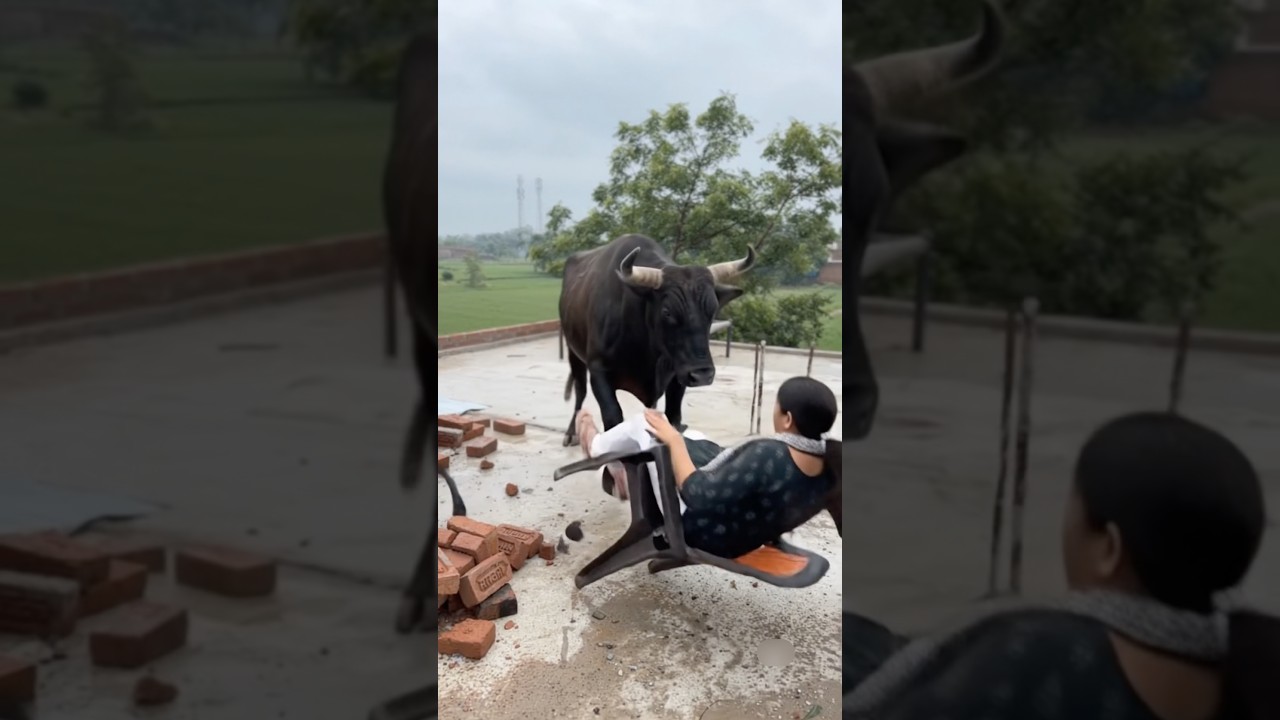
You Studied for YEARS.. But DOGESH BHAI Got the Government Job #shorts

FactTechz
The Indian Army continues to maintain a significant and structured role for animals in its operational and support framework, reflecting a blend of tradition, practicality, and necessity.
At present, the Indian military has approximately 12,600 animals in active service. These include mules, horses, camels, dogs, and a small number of other specially trained animals. Their deployment is especially critical in regions where modern vehicles and machinery cannot operate effectively, such as high-altitude mountains, dense forests, and desert terrain.
Mules form the largest share of this animal strength and are indispensable in mountainous areas like the Himalayas, where they transport weapons, ammunition, rations, and medical supplies to forward posts. Horses are used both for ceremonial roles and for mobility in difficult terrain. Camels, particularly in desert regions, assist in patrol and logistics duties. Army dogs are trained for highly specialised tasks including explosive detection, tracking, search and rescue, and guarding sensitive installations.
All these animals are managed under the Remount and Veterinary Corps (RVC), which is responsible for their breeding, training, healthcare, and welfare. The corps ensures that animals are maintained to high standards of fitness and humane treatment, supported by military veterinarians and trained handlers.
In recent years, the Indian Army has also highlighted the continued relevance of these animals by showcasing them during national events such as the Republic Day parade. This serves both as public recognition of their contribution and as a reminder that, despite technological advancements, animals remain a vital and irreplaceable asset in certain military environments.
Overall, the continued involvement of animals in the Indian Army underscores their enduring importance in logistics, security, and operational effectiveness, particularly in India’s diverse and challenging geographic conditions.
Subscribe for more educational content and unlock knowledge every day with FactTechz!
At present, the Indian military has approximately 12,600 animals in active service. These include mules, horses, camels, dogs, and a small number of other specially trained animals. Their deployment is especially critical in regions where modern vehicles and machinery cannot operate effectively, such as high-altitude mountains, dense forests, and desert terrain.
Mules form the largest share of this animal strength and are indispensable in mountainous areas like the Himalayas, where they transport weapons, ammunition, rations, and medical supplies to forward posts. Horses are used both for ceremonial roles and for mobility in difficult terrain. Camels, particularly in desert regions, assist in patrol and logistics duties. Army dogs are trained for highly specialised tasks including explosive detection, tracking, search and rescue, and guarding sensitive installations.
All these animals are managed under the Remount and Veterinary Corps (RVC), which is responsible for their breeding, training, healthcare, and welfare. The corps ensures that animals are maintained to high standards of fitness and humane treatment, supported by military veterinarians and trained handlers.
In recent years, the Indian Army has also highlighted the continued relevance of these animals by showcasing them during national events such as the Republic Day parade. This serves both as public recognition of their contribution and as a reminder that, despite technological advancements, animals remain a vital and irreplaceable asset in certain military environments.
Overall, the continued involvement of animals in the Indian Army underscores their enduring importance in logistics, security, and operational effectiveness, particularly in India’s diverse and challenging geographic conditions.
Subscribe for more educational content and unlock knowledge every day with FactTechz!
Show more